Tree removal in Southwark
If you are looking for Tree removal in Southwark, you may already know that the job is rarely as simple as cutting down a tree and taking the timber away. In a place like Southwark, where homes, schools, shared gardens, commercial properties, and busy roads sit close together, safe tree removal depends on planning, access, and the right equipment. Whether a tree is dangerous, diseased, blocking development work, lifting paving, or simply no longer suitable for the space, a local team can help you deal with it properly and with minimal disruption.
Southwark has a wide mix of property types, from period terraces and mansion blocks to modern apartments, business premises, community spaces, and estate gardens. That variety means every site is different. Some trees are tucked into narrow rear gardens with no direct vehicle access. Others are near boundary fences, utilities, alleyways, or communal areas where care is needed to protect neighbours and the wider site. A knowledgeable local service understands those practical issues and can make the process smoother from the first visit through to final clearance.
Request a free quote if you need a tree removed in a front garden, back garden, courtyard, commercial yard, or shared landscape area. A professional service can assess the tree, explain the best method, consider permissions where relevant, and carry out the work in a way that suits the property and the surrounding area.
Why tree removal is sometimes the safest option

Tree removal is usually considered when a tree can no longer be retained safely or practically. In some cases the tree may be clearly dead, storm-damaged, or leaning in a way that suggests structural weakness. In others, roots may be causing damage to drives, pathways, drainage runs, retaining walls, or nearby buildings. A tree can also become a problem if it has outgrown the available space and is now crowding walls, windows, roofs, or neighbouring gardens.
For Southwark customers, the reasons are often tied to the realities of urban living. A tree in a confined courtyard may block light to a basement flat or lower windows. Mature growth can interfere with rooflines or create excessive leaf fall on balconies and paving. In shared settings, a tree may be affecting access routes or becoming a concern for residents and managing agents. In commercial settings, it can interfere with delivery access, customer parking, or site safety.
There are also situations where removal is the most sensible long-term decision after repeated pruning has failed to solve the problem. If a tree has been heavily reduced many times, shows signs of decay, or has become unstable after construction work nearby, it may be more cost-effective and safer to remove it entirely rather than continue trying to manage it indefinitely.
Common reasons local customers request tree removal
- A tree is dead, dying, or visibly unsafe
- Storm damage has split or destabilised the trunk or major limbs
- Roots are lifting paving or affecting structures
- The tree is too close to a property boundary or building
- Light levels are being affected in a tight urban space
- There is a need to clear land for renovations or development
- Repeated pruning is no longer effective or economical
- The tree is causing practical issues in a shared or commercial setting
What is included in a professional tree removal service
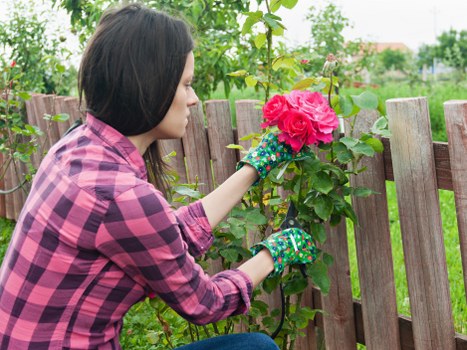
A well-run tree removal service should be more than just cutting the tree down. It should be a managed process designed to keep the site safe and leave it tidy. For customers in Southwark, that often includes a site visit, discussion of the tree and access, a clear plan for the removal method, and careful work around nearby homes, fences, paving, parked cars, and footpaths.
Where needed, the job may be completed in sections. This is common in built-up areas where there is not enough room to fell a tree in one go. A sectional dismantle allows the team to remove branches and trunk pieces in a controlled way, often using ropes and lowering equipment to avoid unnecessary impact on the property. In some gardens, the timber may be lowered into a safe drop zone before being cut down to manageable sizes for removal.
Many customers also appreciate having the stump dealt with at the same time or shortly afterwards. Depending on the project, stump grinding may be available so the remaining base does not become a trip hazard, regrowth issue, or obstacle for landscaping. If you plan to replant, pave, turf, or extend the area after removal, dealing with the stump properly can save time later.
Typical service stages
- Initial enquiry and site discussion
- Assessment of the tree, location, and access
- Confirmation of any special considerations, such as permissions or shared access
- Safe dismantling or felling plan
- Removal of branches, trunk sections, and debris
- Optional stump grinding or follow-up clearance
- Site tidy-up so the area is ready for use again
Local knowledge matters in Southwark

Tree removal in Southwark often comes with challenges that are easier to handle when the team is familiar with the area. Streets can be narrow, parking may be limited, and many properties share access routes or rear gardens. Some homes sit on estates with communal pathways and controlled entry. Other sites are close to high footfall areas where work has to be organised to reduce disruption to residents, customers, or staff.
Local knowledge helps with practical matters such as loading and unloading equipment, planning the best arrival time, and choosing the safest method for handling waste. It also helps when trees sit near boundary lines, garden walls, basement lightwells, railings, or overhead features. A local team is more likely to understand how to work carefully in tight spaces and how to minimise the inconvenience that comes with a large outdoor job in an urban borough.
Southwark includes a mix of residential and commercial environments, and each brings different priorities. A family home may need a quick, tidy removal with minimal noise and mess. A landlord or managing agent may need the work coordinated around tenants or common areas. A business may want the site cleared before trading hours or after a specific phase of refurbishment. By choosing a local service, you can usually expect a more practical approach to scheduling and delivery.
Examples of local considerations
- Narrow access through side passages or shared alleys
- Limited parking for vehicles and equipment
- Protecting paving, steps, and basement areas
- Working around neighbours and communal gardens
- Keeping footpaths and entrances safe during the work
- Managing waste removal efficiently in busy streets
Signs a tree may need to be removed
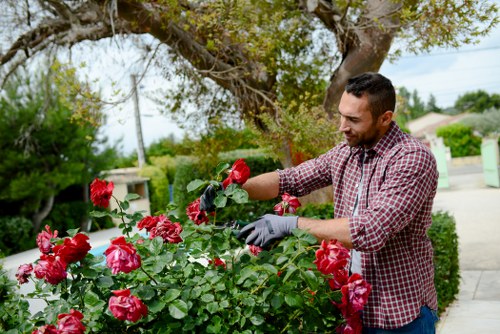
Some trees give clear warning signs, while others only show subtle changes over time. If you notice dead branches, fungus at the base, extensive cracking, or a trunk that seems to be shifting after high winds, it is sensible to arrange a professional assessment. Visible decay, cavities, and major lean can indicate that the tree has become unstable, especially if the root system has been affected by construction, excavation, or compacted ground.
There are also signs that are less dramatic but still important. A tree that has started pushing over slabs, edging, or low walls may be causing hidden structural pressure. Branches that now sit too close to windows, roofs, or neighbouring properties can become a problem in bad weather. If the tree has become difficult to maintain because of its size, location, or the condition of the timber, removal may be the safest and most sensible option.
Not every issue means the tree has to come out immediately. In some cases, pruning, crown reduction, or staged management may be the right answer. That is why a proper site assessment matters. The aim is to recommend the most suitable solution for the tree, the property, and the customer’s needs, rather than simply treating every situation the same way.
Call for an assessment if you notice
- Sudden leaning or movement after storms
- Fungal growth around the base or trunk
- Large dead sections in the canopy
- Splitting branches or trunk cracks
- Roots lifting hard landscaping
- Repeated branch failure
- Reduced vitality and thinning leaf growth
How the work is carried out safely
Safe tree removal starts long before the first cut. The tree and surrounding area need to be checked so the team can plan the method and identify any risks. That includes considering overhead lines, sheds, greenhouses, fences, neighbouring structures, glass, traffic, pedestrians, and access points. In Southwark, careful planning is especially important where properties sit tightly together or where work needs to be completed with very little spare space.
The team may decide to fell the tree in one piece if there is plenty of clear space and the site allows it. More often in urban settings, the tree will be dismantled in sections from the top down. This controlled method gives better protection for nearby structures and allows the work to be managed safely. Branches and timber are then lowered or carried to a processing area, depending on the layout of the site.
Good site management also means keeping the area as orderly as possible while the work is in progress. That may involve setting out a safe work zone, monitoring access during the job, and ensuring debris is removed promptly. When the work is complete, the customer should be left with a clear understanding of what has been done and what, if anything, still needs to happen next, such as stump grinding or replanting preparation.
Safety-focused approach
- Careful inspection before work begins
- Controlled removal suited to the site
- Attention to surrounding property and public access
- Appropriate handling of timber and green waste
- Clear communication throughout the job
Tree removal for residential properties
Homeowners in Southwark often need tree removal for practical reasons rather than purely aesthetic ones. A tree may be too close to the house, affecting a conservatory, roof edge, side return, or rear extension. It may be causing shade in a small garden where every bit of natural light matters. In family homes, a falling branch risk or unstable tree can also be a major worry, particularly where children use the garden regularly.
Tree removal in Southwark for residential properties often involves careful working in compact spaces. Many back gardens are accessible only through the house or a narrow side passage, which makes the method of removal and waste handling especially important. A team experienced in urban domestic jobs will know how to protect internal routes where necessary, reduce mess, and work efficiently in spaces that are not designed for large machinery.
Customers also ask about what happens after the tree is gone. This is a sensible question because removal is often part of a bigger garden improvement. Once the tree, branches, and stump are dealt with, the space can be prepared for new planting, a patio, a lawn, raised beds, or simply a more open and usable outdoor area. If you are planning changes to the garden, it is worth discussing that at the quotation stage so the removal method supports your wider plans.
Residential benefits
- Improved light and space in the garden
- Reduced risk from unstable or decaying trees
- Less pressure on walls, paving, and nearby structures
- Cleaner, safer outdoor areas for family use
- A better starting point for landscaping or renovations
Tree removal for landlords, managing agents, and businesses
Commercial tree removal in Southwark can be just as complex as domestic work, and in some ways even more so. Landlords may need to protect a property’s condition and keep common areas safe. Managing agents may need to coordinate with residents and avoid unnecessary disruption. Business owners may need the work completed around deliveries, trading hours, customer access, or site operations.
In a commercial setting, there is often more than one priority to manage at once. For example, the tree may be obstructing signage, affecting parking bays, causing debris on walkways, or making maintenance tasks more difficult. A local team can help plan the work so it fits the site’s schedule and practical demands. Where access is shared, advance planning is especially useful to avoid confusion and make sure the job runs smoothly.
Commercial customers often value straightforward communication, a clear scope of work, and tidy completion. If the tree is in a prominent position, the appearance of the site after removal may matter almost as much as the removal itself. That is why good tree services focus not only on the cutting but also on the finish, clearance, and readiness of the area afterwards.
Suitable for
- Landlords and letting agents
- Block and estate managers
- Retail and hospitality premises
- Office courtyards and landscaped frontages
- Schools, nurseries, and community sites
- Construction and refurbishment projects
What affects the cost of tree removal?
Every tree removal job is different, so pricing depends on the specific site rather than a one-size-fits-all approach. The size and height of the tree matter, but so do access, the complexity of the dismantling method, the amount of debris, the need for stump grinding, and whether traffic management or special arrangements are necessary. In Southwark, access constraints are often a major factor because they can change how much equipment and labour are needed.
Other pricing factors include the tree’s condition and location. A tree that is leaning, decayed, or entangled with surrounding structures may need more controlled work. If material must be carried a long distance through a house, shared corridor, or courtyard, that can also affect the time required. If the job involves working around neighbours, parked cars, or limited street access, the team may need extra time to complete the work safely and neatly.
It is useful to ask for a tailored quote rather than assuming the cost based on the tree’s size alone. A proper quote should reflect the real conditions on site and the scope of work you want completed. That way there are fewer surprises and the plan is clear from the outset.
Typical factors considered in a quotation
- Height, spread, and species of the tree
- Condition of the trunk, limbs, and root system
- Access to the tree and room to work
- Proximity to buildings, fences, and utilities
- Waste volume and disposal requirements
- Need for stump grinding or surface clearance
- Whether the site is domestic, communal, or commercial
Preparing your property before the team arrives
A little preparation can make the appointment run more smoothly and help the team get straight to work. You do not usually need to do much, but clearing access and moving delicate items can reduce the chance of accidental damage and save time on the day. If the job involves a shared garden or commercial site, it is also useful to notify anyone who needs to know in advance.
For Southwark homes, preparation may involve making sure gates are unlocked, side returns are accessible, and garden furniture or potted plants are moved out of the working area if possible. If there is limited parking or a controlled access system, it helps to clarify those details before the visit. For commercial properties, informing staff or residents about the work window can avoid confusion.
Good preparation is not about turning your garden into a worksite; it is simply about removing avoidable obstacles. The more accessible and clear the area is, the easier it is for the team to work efficiently and safely.
Useful preparation checklist
- Remove ornaments, seating, tools, and fragile items from the area
- Unlock gates and confirm access routes
- Keep vehicles clear if possible
- Tell neighbours if shared access will be used
- Point out anything delicate or unusual on site
- Make sure pets and children are kept away from the work area
Why choose a local company for tree removal in Southwark?
Choosing a local company brings practical advantages. A team that works in Southwark regularly is more likely to understand the typical layouts, access issues, and property styles found across the borough. That local familiarity can make a real difference when planning the safest way to remove a tree without causing unnecessary disruption.
It also means the service can be more responsive to the realities of the job. Local crews are often better placed to assess tight access, plan around busy streets, and complete the work efficiently. They are also more likely to appreciate the value of tidy workmanship in a dense residential area where neighbours, pedestrians, and businesses are all affected by how the site is managed.
For many customers, the biggest reason to use a local team is confidence. You want to know the people carrying out the work understand not just trees, but the environment they are working in. In Southwark, that includes mixed-use streets, estates, school areas, commercial frontages, and homes with limited outdoor space.
Advantages of a local service
- Better understanding of Southwark property layouts
- More practical planning for access and parking
- Quicker and more efficient site assessments
- Clearer communication about local site conditions
- A service designed for urban residential and commercial spaces
Areas covered across Southwark
Tree removal services can support customers across the borough, including streets and neighbourhoods where access, parking, and shared boundaries are common considerations. Whether the property is near a busy high street, in a quiet residential road, or within a managed estate, the same careful approach applies. Local customers often need work arranged around daily routines, and that is especially true in areas with limited roadside space or controlled access.
If you are nearby in central or wider Southwark, it is worth getting in touch even if your exact situation is unusual. Every site is assessed on its own merits, and a local team can help you understand what is possible and how the work can be organised. The goal is always to provide a practical solution that suits the property and the people using it.
Book your service now if you want to move forward with a tree that is no longer suitable for the site. A timely visit can help prevent further damage, reduce safety concerns, and make the next stage of your outdoor plans much easier.
Frequently asked questions
Do I always need permission to remove a tree?
Not always, but some trees are protected or subject to local controls. It is important to check before work starts. A professional service can help you understand whether there are any restrictions that may apply to your tree or property.
Can a tree be removed from a small back garden?
Yes. Many tree removal jobs in Southwark take place in small or hard-to-reach gardens. In these cases, sectional dismantling is often the safest and most practical method, especially where there is limited access or nearby structures.
What happens to the branches and timber?
As part of the service, branches, timber, and other debris are usually removed from site. The exact process depends on the amount of material and the access available, but the aim is always to leave the area tidy and ready for use.
Can you remove just the stump as well?
Yes, stump grinding may be available as an additional service. This can be helpful if you want to replant, landscape, or remove a trip hazard after the main tree has gone.
How long does tree removal take?
It depends on the size of the tree, the access, and the method needed. Smaller trees may be removed relatively quickly, while larger or more complex jobs can take longer. A site visit is the best way to estimate the likely duration.
Is tree removal noisy?
There will usually be some noise, especially from cutting equipment and the movement of timber. A good team will work as efficiently as possible and plan the job carefully to reduce disruption, particularly in busy residential or commercial areas.
Ready to arrange tree removal?
If a tree on your property is unsafe, troublesome, or in the way of your plans, the best next step is to arrange a professional assessment. A local service can look at the site, explain the options, and provide a tailored quotation based on the actual conditions. That gives you a clear path forward and helps you make a confident decision.
Contact us today to discuss your tree removal in Southwark, ask about access and stump options, or request a free quote. Whether the job is for a home, estate, business site, or managed property, a local team can help you plan the work and get the area cleared safely.
Tree removal should always be handled carefully, especially in built-up parts of Southwark. The right approach protects nearby property, reduces disruption, and leaves you with a safer, more usable space.
If you need help with a tree that is no longer suitable for your property, now is the right time to book an assessment.